V-Shaped Face
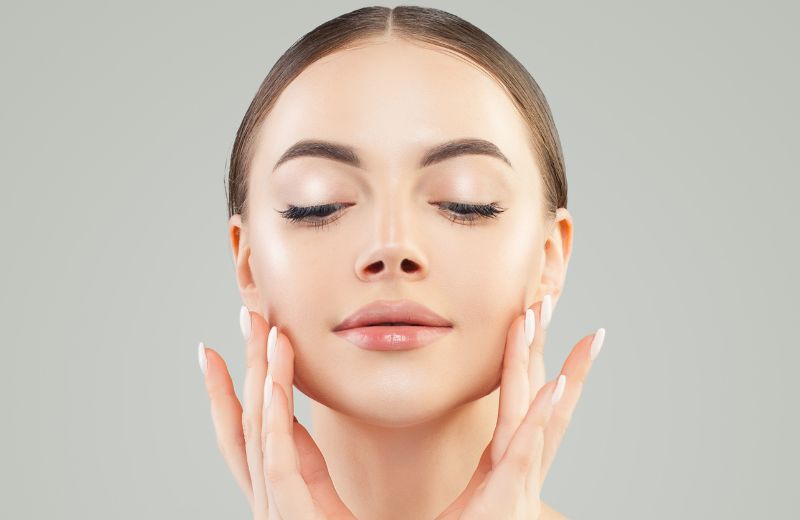
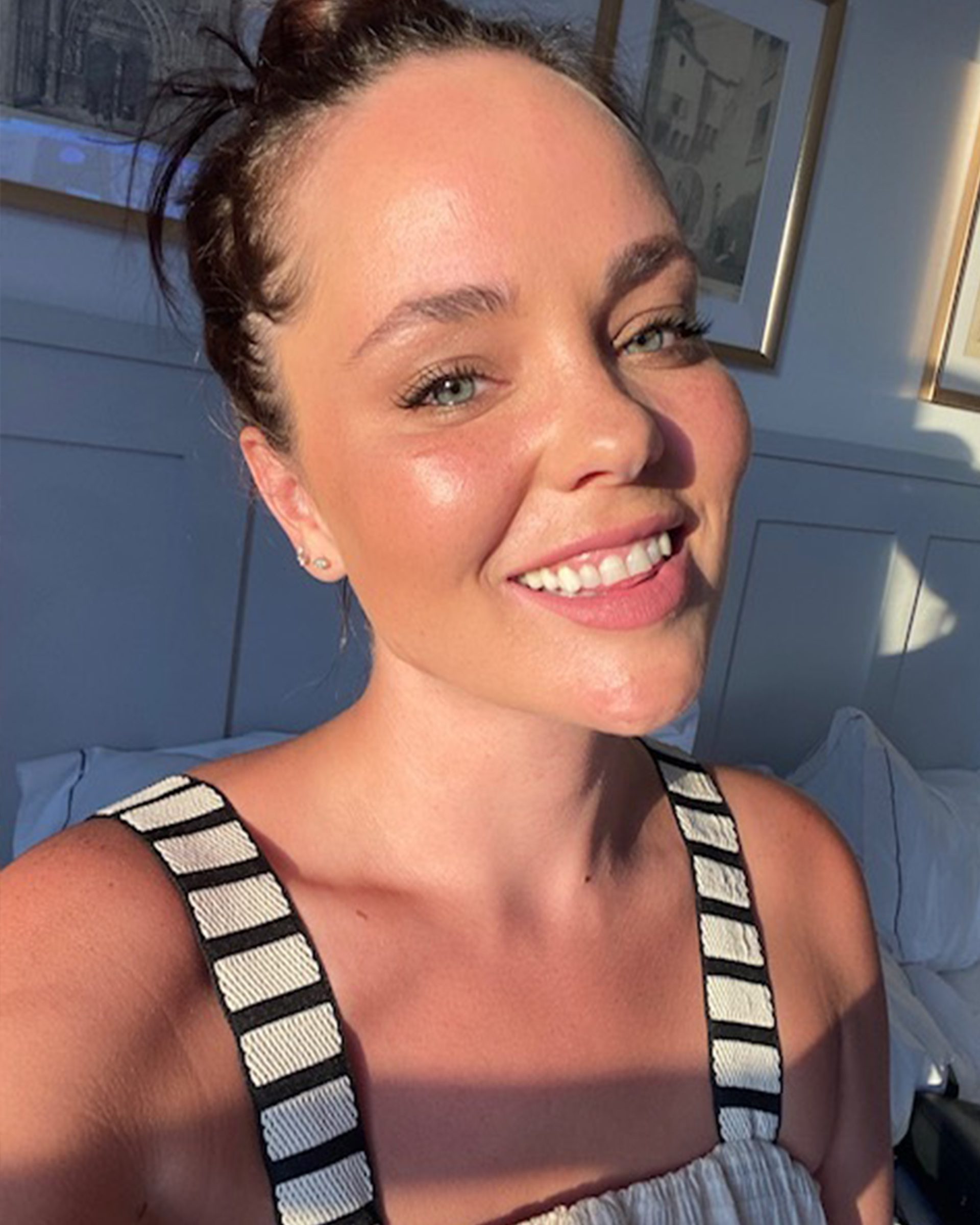
A V face shape is a facial contour where the cheeks taper smoothly down to a slim & pointed chin, creating the appearance of the letter “V.” It is considered one of the most desirable face shapes because it makes the face look youthful, slimmer, and balanced.
A V-shaped face can be natural, but it can also be achieved with non-surgical treatments like fillers or surgical options such as jaw reduction and chin augmentation. Let’s break down everything you need to know about the V face shape.
What Is a V Shape Face?
A V shape face, also known as a V-line face, refers to a facial structure where the face gradually narrows from the cheekbones down to a sharp and pointed chin. This creates the appearance of the letter “V.” It is often considered youthful and elegant because it highlights facial symmetry and reduces heaviness in the lower face. While some people are naturally born with this face shape, others may seek aesthetic treatments to achieve it.
What Defines a V Shape Face?
A V face shape defines a balanced and proportionate facial contour where:
- The cheekbones are a bit broader than the jawline.
- The jawline tapers smoothly toward the chin.
- The chin appears narrow and pointed rather than broad or square.
This facial structure is considered youthful because it emphasises symmetry and reduces heaviness in the lower face. Many patients perceive the V shape as slimming and enhancing overall attractiveness.
Key Characteristics of V Shape Face
A true V-shaped face is defined by:
- A slender, oval structure that tapers toward the chin.
- Slightly wider cheekbones compared to the jawline.
- A sharp, well-defined jawline without excess fat or sagging.
- A narrow and pointed chin that balances facial proportions.
These features work together to create a slimmer and more refined look.
Benefits of V-Shaped Face
A V-shaped face is admired not only for its beauty but also for the balance and harmony it brings to overall facial appearance. The benefits can be understood in terms of how it enhances looks, improves structure, and refines everyday appearance.
More Youthful Look
A V-shaped face gives a fresher and younger appearance by slimming the lower face and creating a natural lift.
Softer and Feminine Appearance
The pointed chin and narrow jawline create a gentle contour that enhances feminine beauty and elegance.
Sharper Definition
A well-contoured chin and jawline provide a sculpted effect, making the face look leaner and more refined.
Balanced Proportions
By narrowing the jawline and elongating the chin, the V-shape brings harmony to the overall facial structure.
Improved Symmetry
It helps correct minor differences in the chin or jawline, giving the face a more even and aligned appearance.
Enhanced Cheekbone
With a slimmer lower face, the cheekbones stand out more prominently, adding natural contour and dimension.
Refined Side Profile
The streamlined jaw and pointed chin create a polished, graceful profile from every angle.
Flexibility in Hairstyling
A V-shaped face pairs well with many hairstyles, from layered cuts to updos, as the shape complements different lengths and styles.
How To Get V Shape Face Naturally?
You can’t change bone structure without surgery, but these 13 realistic habits and at-home methods can reduce puffiness, tighten skin, and improve jawline definition over time.
1. Follow a balanced diet
Eat vegetables, fruits, lean proteins, whole grains and healthy fats. Cut processed foods, excessive salt, and sugar to decrease facial puffiness.
2. Chew carefully
Slow chewing engages jaw muscles and supports tone. Sugar-free gum can help, but avoid overworking the jaw.
3. Stay hydrated
Hydration helps flush fluids and reduce puffiness. Choose green tea, lemon water, or herbal teas.
4. Prioritise quality sleep
Restful sleep supports skin repair and prevents fluid buildup. Manage stress and address teeth grinding if it enlarges your jaw muscles.
5. Fix forward-head posture
Keep phones and screens at eye level. Constantly looking down contributes to a double chin and sagging skin.
6. Do targeted jawline exercises
Chin lifts, jaw juts and “fish face” exercises strengthen facial muscles and improve contour with consistency.
7. Practice face yoga for lifting and circulation
Face yoga combines movement and massage to stimulate blood flow and lymph drainage, reducing puffiness and enhancing lift.
8. Try facial massage
Gentle upward strokes improve lymph drainage and temporarily slim the face when done regularly.
9. Shape your eyebrows
Well-placed arches frame the face and draw attention upward, creating balance.
10. Choose flattering hairstyles
Bob cuts, soft layers or face-framing styles highlight the jawline. Wavy or textured hair can soften a square face.
11. Contour with makeup
Darker shades under cheekbones and along the jaw create immediate definition when blended well.
12. Try chin masks (V-masks)
Compression masks can temporarily lift and define the jawline. Results are short-term.
13. Use face-lifting belts
Compression wraps reduce sagging and a double chin temporarily. Avoid long, tight wear to prevent irritation.
Treatments For V-Shape Face
Non-Surgical Treatments
1. Dermal Fillers
In dermal fillers, hyaluronic acid fillers are used strategically to create the illusion of a slimmer face. By adding volume to the chin or enhancing the jawline, fillers improve proportions and define the lower face. Results appear immediately and usually last 9–18 months.
2. Thread Lift
A thread lift uses dissolvable sutures placed under the skin to lift sagging tissue. This stimulates collagen production while giving an instant lifting effect. The results are subtle compared to surgery but can last up to 12-18 months.
3. Ultrasound or Radiofrequency Treatments
Devices such as Ultherapy (ultrasound) or RF treatments deliver energy beneath the skin to tighten tissues and stimulate collagen. Over several months, the skin becomes firmer and more lifted. These are good options for patients wanting gradual, natural improvement without downtime.
4. FaceTite
FaceTite is a minimally invasive procedure that uses radiofrequency-assisted lipolysis (RFAL) to melt fat and tighten skin at the same time. It helps reduce jowls, double chin, and loose skin for a more sculpted jawline. Recovery is quicker than surgery but more intensive than standard RF devices.
Surgical Treatments
1. Jaw Reduction Surgery
This surgery reshapes and slims the jawbone and is often chosen by patients with a square or wide jawline. It offers permanent results but comes with longer recovery and higher risks compared to non-surgical methods.
2. Chin Augmentation
A small or recessed chin can make the face look less balanced. Chin augmentation, done with implants or surgical reshaping, projects the chin forward and sharpens the V-line appearance. Results are permanent, and recovery takes a few weeks.
How To Maintain A V-Shaped Face?
- Adhere to a regular skincare routine that involves cleansing, moisturising, and applying sunscreen.
- Use products with retinol, hyaluronic acid, or peptides to support firmness.
- Eat a balanced diet rich in antioxidants, vitamins, and collagen-boosting foods.
- Stay hydrated to keep skin plump and elastic.
- Exercise regularly to improve blood circulation and keep a healthy weight.
- Get enough quality sleep to allow skin repair and reduce puffiness.
- Manage stress through meditation, yoga, or relaxation practices.
- Schedule periodic touch-ups if you’ve had fillers, thread lifts, or skin-tightening treatments.
Final Thoughts
The V face shape is admired for its youthful, elegant, and balanced look. While some people are naturally blessed with this contour, others can achieve it with lifestyle adjustments or medical treatments. The right approach depends on your goals, budget, and anatomy. Consulting an experienced specialist ensures safe and effective results.
Frequently Asked Questions
01. Can everyone get a V-shaped face?
Not always. Bone structure plays a big role, but treatments can enhance contours.
02. Is V-shape face surgery permanent?
Yes, surgical jaw or chin contouring offers permanent changes.
03. Are natural methods effective?
They can improve overall appearance but usually don’t drastically change bone structure.
04. Are there risks with V-shape treatments?
Yes. Non-surgical risks include swelling and asymmetry. Surgical risks include infection, scarring, or nerve damage. Always consult qualified doctors.
05. Who is a good candidate for V-shape treatments?
Patients in good health, with realistic expectations, who want slimmer facial contours.
06. Can I get a V-shaped face naturally?
You can’t change bone structure, but regular facial exercises, a healthy lifestyle, and good skincare can help slim and tone the face for a more defined look.