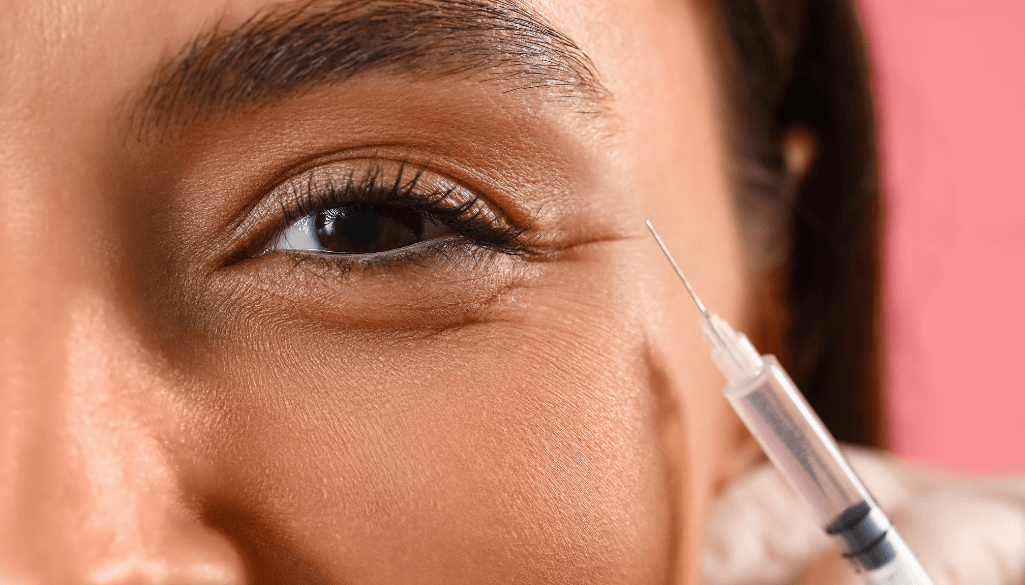
Tear trough filler gone wrong is a common concern that may make you anxious before undergoing under-eye rejuvenating treatment.
Tear trough fillers are a popular treatment for under-eye hollows, dark circles, and tired-looking eyes. However, like with any cosmetic procedure, things sometimes go differently than planned. However, complications are rare when an expert does the treatment.
This blog will explore why tear trough filler go wrong, what you can do if you’re unhappy with your results, and how to ensure the best outcome from the start. Let’s dig into the details.
Understanding Tear Trough Fillers
Tear trough fillers are under eye injectable treatments typically made of hyaluronic acid. These injections fill and smoothen the hollows under your eyes, minimising shadowing and volume loss and giving an appearance of freshness and youthfulness.
While tear trough fillers rejuvenate your under-eye area, they require a delicate and precise approach because that region has thin skin and complex anatomy, including blood vessels, muscles, and lymphatic pathways.
Can Tear Trough Fillers Go Wrong?
Yes, like any other injectable treatment, tear trough fillers may go wrong. However, complications are rare when a qualified practitioner performs the procedure. Complex under-eye anatomy, the wrong filler type or technique, and unrealistic expectations may all lead to bad tear trough fillers.
Why do Tear Trough Fillers Go Wrong?
Let’s take a closer look at some of the more common reasons why things can go wrong with tear trough fillers.
The success of a tear trough filler treatment depends heavily on the practitioner’s skill. If the filler is injected too close to the surface, it may cause lumps, swelling, or the Tyndall effect. If, however, it is inserted too deep, it may fail to achieve the desired outcome.
Not all fillers are created equal. Some fillers are too thick or too hydrophilic (attracting water) for that delicate under-eye area, making it puff up or making the results look unnatural. Using specifically designed fillers approved for tear trough treatments minimises the complication risk.
Too much filler will make the under eye area puffy or swollen, indicating that the tear trough filler has gone wrong. It may also result in lymphatic drainage disturbances within the region, causing chronic puffiness or malar oedema. Also, overfilling is the most common cause of nose filler gone wrong.
Under-eye Anatomical Variations
Everyone’s anatomy is different. Other factors include skin thickness, bone structure, and even the presence of under-eye fat pads. The right practitioner will assess all these factors to tailor treatment to your specific needs.
The most common reason tear trough fillers go wrong is inexperience. An inexperienced or unqualified injector may lack knowledge of under-eye anatomy, which can help them perform the treatment safely and effectively.
Now that you know the possible causes, let’s see the signs of tear trough filler gone wrong.
How do you know if your Tear Trough Filler has Gone Wrong?
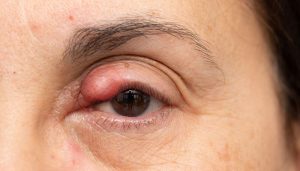
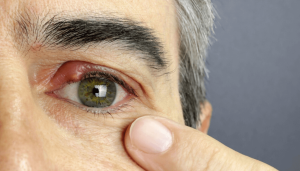
If you are unhappy with the results and unsure whether tear trough filler gone wrong, here are the signs you may look for.
Swelling is normal immediately after the procedure but may indicate overfilling, filler migration, or lymphatic drainage disruption if it stays longer than 24 hours.
Redness, Bruising, or Heamatoma
Bruising occurs just after injections is normal, but excess bruising or obvious blood vessels under the skin may suggest that tear trough fillers have gone wrong, so you should talk to your practitioner.
The Tyndall effect is the bluish appearance under your eyes. The bluish skin tint can be caused when fillers are injected too superficially into your skin. Such conditions are often treatable by dissolving the filler with hyaluronidase.
Swelling around the cheekbones shows that tear trough fillers went wrong. It occurs from filler migration, spreading out from the tear trough area, or excessive filling.
Achieving symmetry under the eyes is always challenging because of the natural anatomical differences. Still, significant asymmetry is often correctable with a touch-up or filler adjustment.
Rare but Serious Complications
In very rare cases, complications may occur if tear trough fillers go wrong. They include vascular occlusion, blocked blood vessels, or infection. These should be treated immediately by a physician.
If you have any of these signs, know that your tear trough fillers have gone bad, and you must talk to your doctor for prompt management.
How to Fix Botched tear Trough Filler?
Botched tear trough filler? Do not panic.
Most of these issues are temporary and correctable. Here is what you should do:
Talk to an Experienced Injector Right Away
You should seek a qualified practitioner specialising in tear trough fillers and discuss your concerns. They will examine the signs of botched tear trough filler and prescribe the best possible solution.
Consider Dissolving the Fillers
Hyaluronic acid fillers can be safely dissolved with an enzyme called hyaluronidase. This is a rapid and effective way to reverse unwanted results or address complications such as lumps or swelling.
Follow Post-Treatment Advice
Sometimes, swelling or bruising needs time to settle. Follow your practitioner’s aftercare instructions, such as avoiding heat, vigorous exercise, or alcohol in the days following treatment.
Taking immediate action helps you avoid any further complications and resolve the issue.
Bonus Tip: Learn all about tear trough fillers and if they are right for you to avoid unpleasant consequences.
How to Avoid Your Tear Trough Filler Going Wrong?
Prevention is better than correction, and here are some recommendations to ensure a smooth tear trough filler treatment.
- Choose the Right Practitioner: Seek an experienced and qualified injector specialising in under-eye treatments.
- Ask Questions: Be bold and ask about the practitioner’s qualifications, the type of filler used, and what you can expect.
- Avoid Deals or Discounts: Low-cost treatments are usually done by unqualified injectors. I prefer safety over price.
- Communicate Your Concerns: Share your expectations and any relevant medical history with your practitioner.
Choosing Experts for Tear Trough Fillers.
If you are scared of tear trough filler gone wrong—it’s your sign to consult the experts. Choose the highly experienced tear trough fillers in leeds that is committed to helping you achieve natural-looking results while minimising the risk of complications.
FAQs
1. What makes tear troughs worse?
Diet that is high in salty food and refined sugar, sun damage, drinking alcohol, or smoking makes tear trough appear worse.
2. Why do I no longer do tear trough fillers?
You may not have tear trough fillers any longer if your under-eye skin has become very thin. Thin skin makes filler placement delicate and may go wrong later.
3. How do you know if a tear trough filler gone wrong?
The most common symptoms of botched tear trough filler are swelling, bruising, small lumps and you may see uneven results.
4. What is the riskiest place for fillers?
Some areas of the face are more delicate and risky for filler treatments. These include the forehead between the eyebrows (glabellar region), the temples, under the eyes, around the mouth, lips, the corners of the mouth, the nose, and spots where major blood vessels are located, like the areas near the eyebrows, cheeks, jaw, and temples.